Staying competitive in today’s search engine landscape requires more than traditional, static SEO strategies. As algorithms evolve and user search behavior shifts, marketers must be agile—adapting their efforts on the fly to secure and maintain valuable organic visibility. One of the most effective ways to stay ahead is through real-time keyword tracking. This approach enables you to closely monitor how your keywords perform as they trend, providing your business with the flexibility to optimize at a moment’s notice. Consider using tools like this free keyword rank checker to gain immediate insights into your keyword positions and competitive landscape. Real-time tracking not only helps you stay relevant but also empowers your team to capitalize on opportunities as they arise.
Immediate access to up-to-the-minute data means you can respond quickly to volatility in the search engine results pages (SERPs). During trending events or algorithm updates, understanding which keywords are rising or falling in rank can make the difference between gaining traffic and losing visibility. In an era where attention spans are short and competition is fierce, real-time keyword monitoring has become essential for maintaining long-term SEO growth and outpacing competitors.
Reactive SEO was once considered a luxury, but with dynamic SERPs, rapid shifts in user intent, and the growing role of features like Top Stories, it has become a necessity. Whether you’re publishing evergreen content, news, or eCommerce pages, real-time tracking ensures you never miss an opportunity to connect with your audience. The modern marketer needs actionable insights and adaptable frameworks to remain effective within this dynamic ecosystem.
Beyond traffic and ranking benefits, having real-time keyword insights is also crucial for understanding the impact of external events—such as competitor launches or trending topics—on your discoverability. By seeing exactly when and how to adapt your approach, your team gains confidence and data-backed direction for every pivot.
Importance of Real-Time Keyword Tracking
Real-time keyword tracking is the foundation of responsive SEO. It offers marketers the ability to track how their site and pages perform for target keywords as search intent shifts. This granularity is invaluable—for example, during breaking news events or product launches, you may notice rapid changes in visibility. Adapting your optimization tactics in sync with SERP fluctuations ensures that your content remains visible, capturing audience interest as soon as demand spikes.
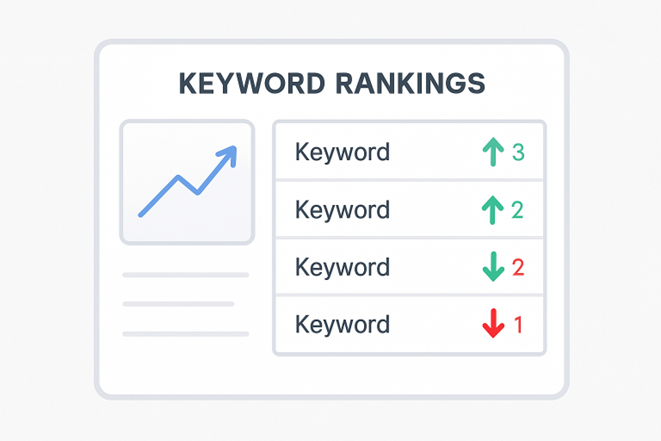
According to Search Engine Land, real-time data enables brands to swiftly respond when rankings decline due to competitor actions, Google updates, or emerging trends. This agility not only preserves but also enhances your competitive positioning, enabling you to capitalize on fleeting opportunities where your audience is most active.
Tools for Effective Keyword Monitoring
Advanced SEO tools are the backbone of any real-time keyword tracking strategy. Today’s leading platforms combine automation, artificial intelligence, and big data analysis to deliver visibility into SERP changes as they happen:
- SEMrush: Leverages AI and machine learning to provide minute-by-minute keyword ranking reports and uncover competitor strategies that may impact your site. It is ideal for adjusting optimization tactics on the fly.
- Ahrefs: Tracks keyword movements, backlink profiles, and SEO issues, all in real time. Its robust dashboard helps marketers swiftly identify both threats and opportunities as they emerge.
- Surfer SEO Real-Time Optimizer: Lets you instantly check keyword fluctuations while producing actionable recommendations to respond to SERP volatility. This is particularly useful for content teams that need to stay relevant as news or trends emerge.
Choosing among these tools will depend on your business objectives, reporting needs, and available resources.
Implementing Real-Time Tracking in Your SEO Strategy
- Set Clear Objectives: Begin by determining what you want to achieve with real-time tracking—such as boosting rankings for a set of core keywords, monitoring specific competitors, or capitalizing on trending topics.
- Choose the Right Tools: Select a platform that aligns with your objectives and offers integrations for reporting, automation, and seamless collaboration across your team.
- Integrate with Analytics: Sync keyword tracking with your analytics platform to connect changes in keyword rankings to actual impacts on site visits, conversions, and ROI.
The integration of real-time keyword data with analytics enables the rapid formulation of informed decisions, amplifying results without guesswork.
Analyzing and Interpreting Data
- Identifying Trends: Monitor changes in keyword positions over time to understand cyclical patterns, seasonal spikes, or reactions to content updates.
- Assessing Competitor Strategies: Use competitor data to identify their strengths and weaknesses. Pinpoint opportunities where your site can excel or disrupt established rankings.
- Evaluating Content Performance: Regularly review which content assets are driving keyword growth and apply their winning strategies to other areas for scalable improvements.
For best practices on trends and SERP analysis, refer to insights from Moz’s SEO blog.
Adjusting Content Strategies Based on Insights
- Optimize Existing Content: Identify underperforming assets and refresh them with in-demand keywords, updated information, and improved formatting.
- Create New Content: Develop new resources around trending or emerging keywords highlighted by your tracking platform, capturing untapped demand before competitors notice.
- Enhance User Experience: Analyze user intent and ensure your content clearly meets searchers’ needs for maximum engagement and relevance.
Case Studies: Success Stories
One notable example comes from a digital news publisher. By monitoring SERPs for when their high-ranking stories dropped from Google’s Top Stories carousel to organic results, their team was able to pivot story angles and update headlines or blurbs in real time. This responsiveness ensured they retained both visibility and traffic volume during primary breaking news cycles—turning what could have been a loss into an opportunity for growth.
Challenges and Solutions in Real-Time Keyword Tracking
- Data Overload: Too much information can paralyze action. Refine your dashboards to focus solely on KPIs aligned with business goals, such as conversions, revenue, or share of voice.
- Rapid Algorithm Changes: Algorithm volatility can disrupt rankings overnight, causing significant fluctuations in search engine rankings. Stay up-to-date by following credible SEO resources and be prepared to adjust your tactics as needed.
- Resource Allocation: Real-time management requires both technical expertise and timely execution. Invest in automation for routine tasks and continuously train your team in new tactics and tools.
Future Trends in Keyword Tracking
- AI Integration: Artificial intelligence will play a growing role in automating keyword monitoring, analyzing large datasets, and providing strategic recommendations instantly.
- Voice Search Optimization: As natural language queries increase, real-time tracking of conversational keywords will become essential for maintaining visibility across various device types.
- Personalization: The future of SEO will see more personalized content and keyword strategies that adapt to individual user behaviors, preferences, and micro-moments in their search journeys.
Adopting real-time keyword tracking isn’t just a trend—it’s quickly becoming the standard for future-facing SEO teams. Investing in the right technology and processes now ensures your business can respond rapidly, optimize intelligently, and drive continuous growth in organic search.

Tech old news is a technology and digital marketing writer covering AI tools, SEO, online business, and emerging technology trends.