
Remember when watching TV was easy? You pressed power, opened the guide, and picked a show. It took seconds.
Today, sitting down to watch a movie feels like work. You have to remember which service has the rights to the film, switch HDMI inputs, wait for an app to load, and then navigate a keyboard with a remote control.
If you don’t know what to watch, it’s even worse. You scroll through Netflix, then switch to Disney+, then try Prime Video. Twenty minutes later, your dinner is cold, and you’re still scrolling.
This frustration has a name. It is called subscription fatigue, and it is rapidly becoming the biggest threat to the streaming industry. For operators and ISPs, however, this problem presents a massive opportunity to reclaim the living room.
THE HIGH COST OF “TOO MUCH CHOICE
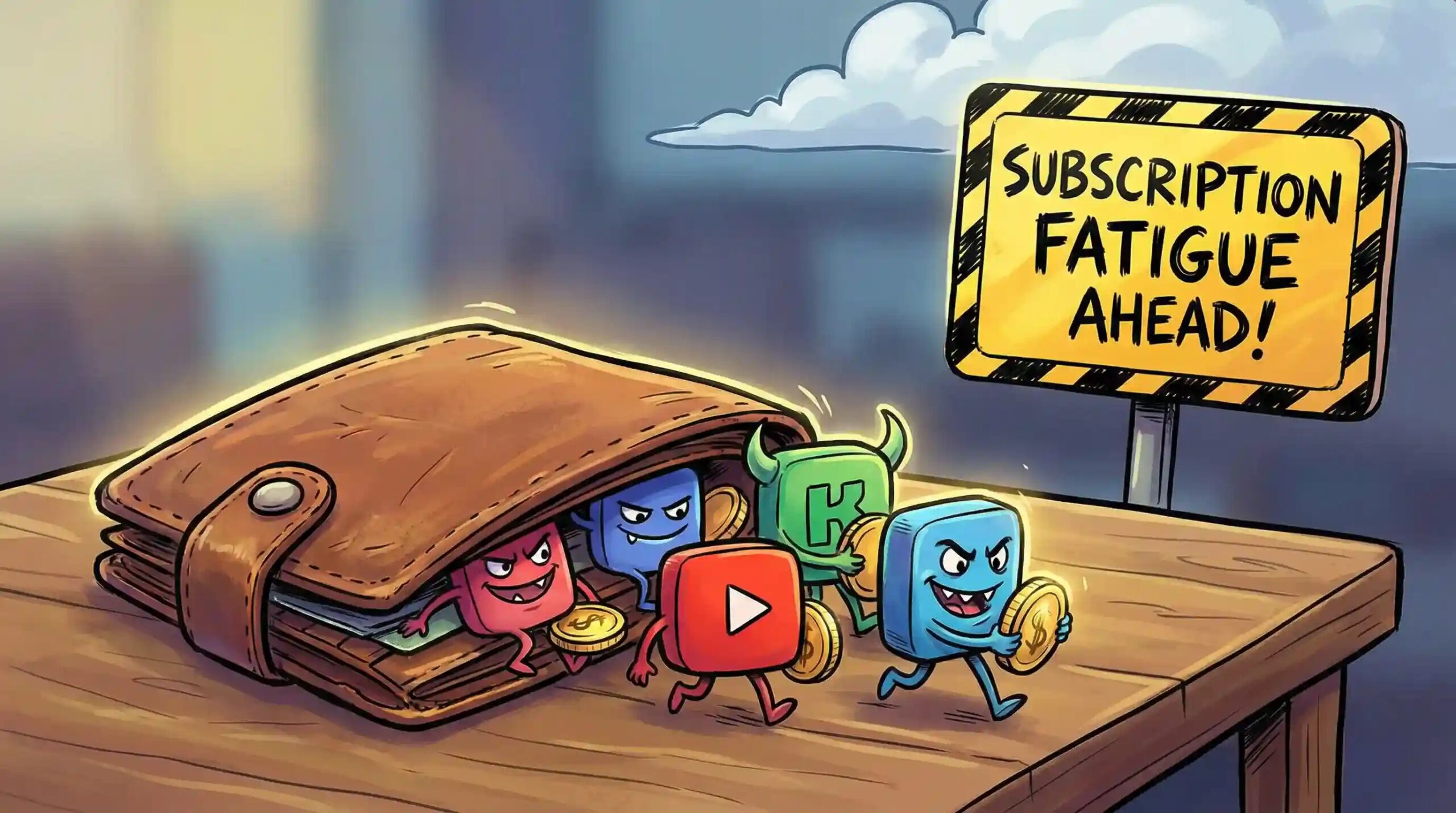
For a long time, the industry assumed that users would just keep buying more subscriptions. The logic was simple: if you have good content, people will pay for it.
But we have hit a ceiling. It turns out that people don’t have unlimited wallets, and more importantly, they don’t have unlimited patience.
According to Deloitte’s Digital Media Trends report, a significant number of consumers feel that the content available on streaming services simply isn’t worth the price anymore. The report highlights that nearly half of consumers would cancel their favorite service if the monthly price went up by just $5.
But price is only half the story. The real killer of retention isn’t just the monthly bill—it’s the user experience (UX).
THE “FRICTION” FACTOR
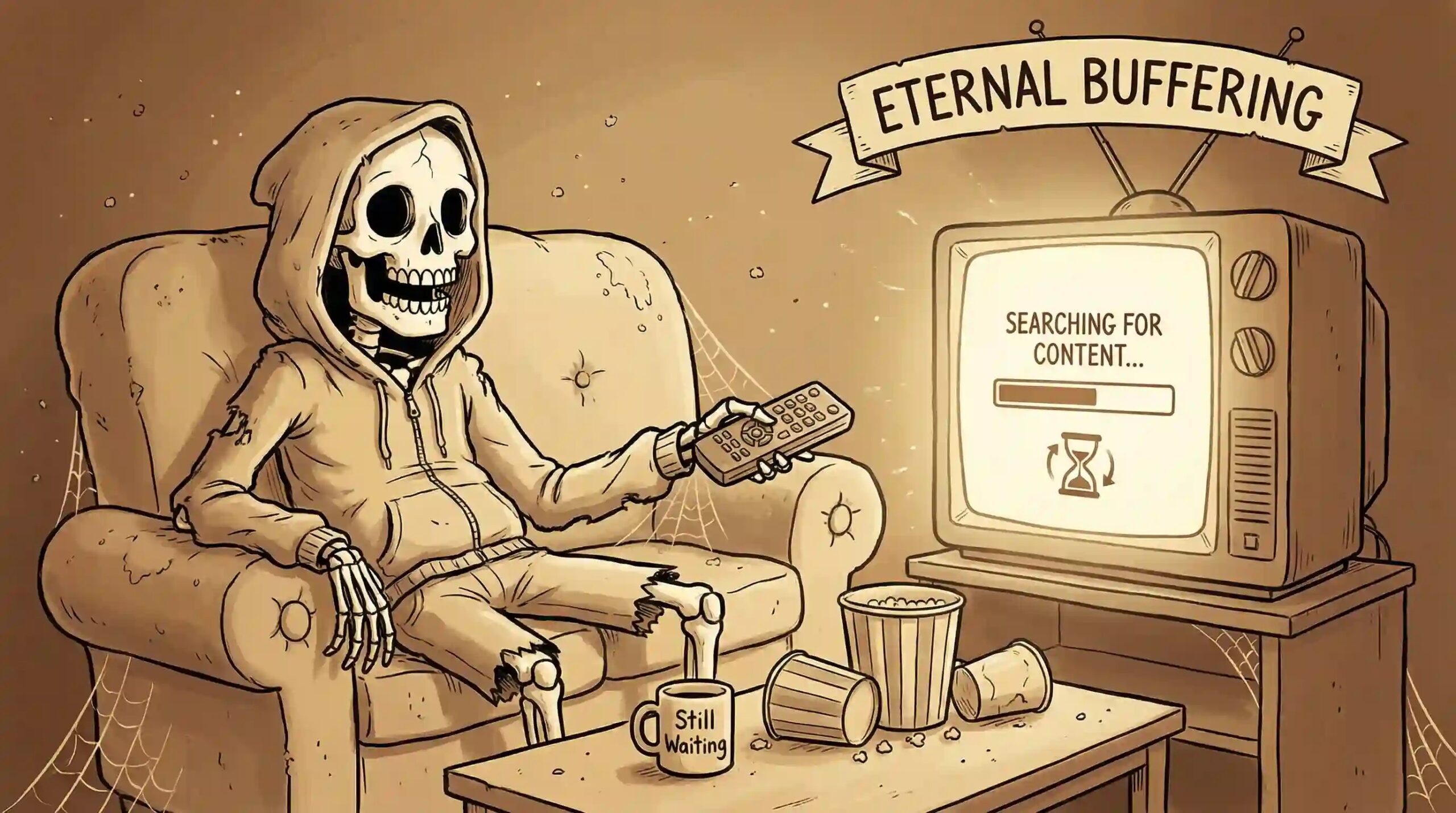
When we talk about fatigue, we often focus on money. But “cognitive load”—the mental effort required to complete a task—is just as dangerous.
Every time a user has to close one app and open another, they experience friction. Every time they have to Google “where to watch [Show Name],” they experience friction.
This friction leads to abandonment. Recent data from Nielsen’s State of Play report reveals a shocking statistic: consumers globally now spend an average of 14 minutes just searching for something to watch.
Even worse, when they can’t find something appealing within that window, a huge percentage of them simply give up and do something else. They turn off the TV.
For an OTT operator or Telco, this is a critical failure. If your users are turning off the screen because it’s too difficult to use, you aren’t just losing view time; you are losing loyalty.
WHY PRICE CUTS AREN’T THE SOLUTION
When churn rates go up, the knee-jerk reaction is often to lower prices or offer aggressive discounts.
- “Get 3 months for 50% off.”
- “Sign up now and get a free month.”
These tactics might boost acquisition numbers for a quarter, but they don’t fix the underlying problem. If a user cancels because they are annoyed by the fragmented experience, a $2 discount won’t make them stay. They aren’t leaving because they are broke; they are leaving because they are tired of the hassle.
You cannot discount your way out of a bad user experience. To fix retention, you have to fix the product.
THE FIX: SUPER AGGREGATION
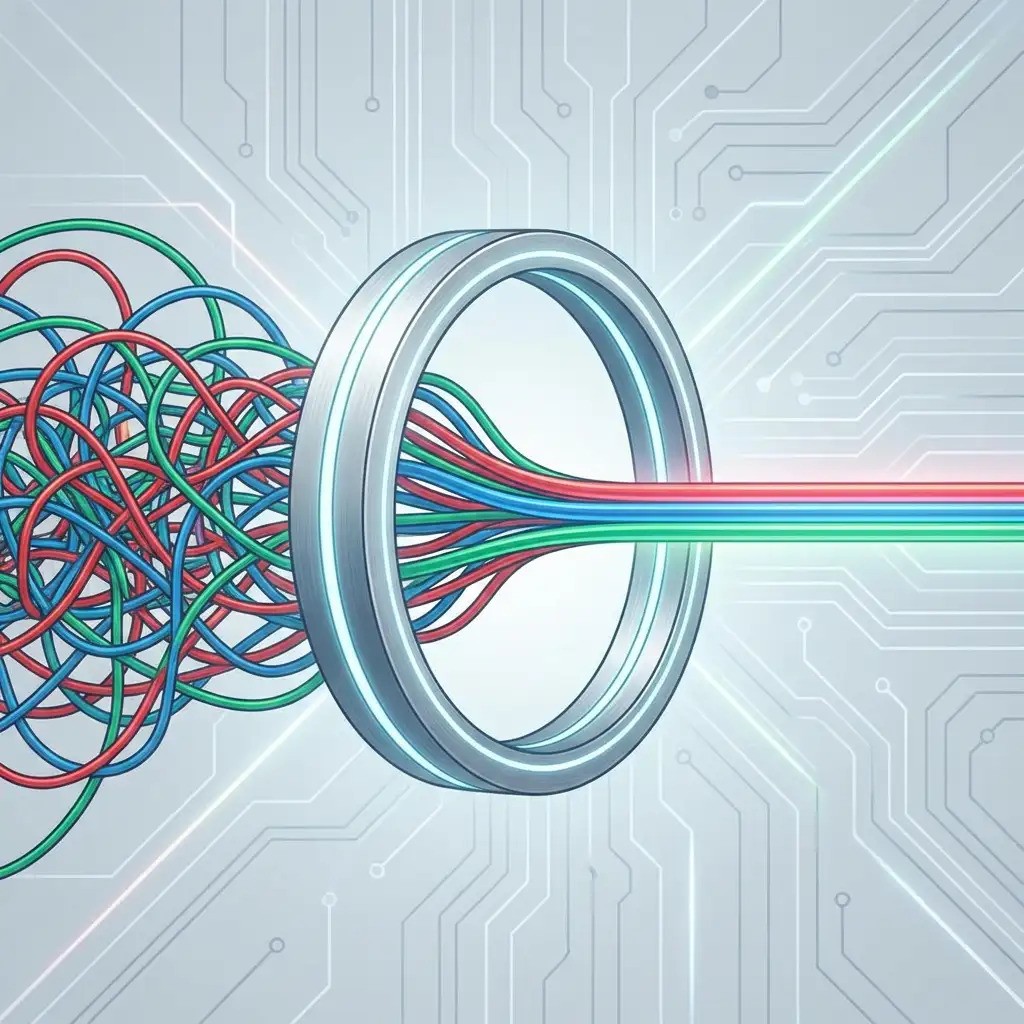
The solution to subscription fatigue is not less content. It’s better organization.
This is where the concept of “Super Aggregation” comes in. For Telcos and ISPs, this is the most logical pivot. You already provide the internet connection into the home. You likely have a set-top box or a launcher on the user’s TV. You are in the perfect position to clean up the mess.
Super Aggregation is about becoming the central hub. Instead of offering a “dumb pipe” that just delivers internet, you offer a unified platform where all content lives side-by-side.
HOW IT WORKS IN PRACTICE
In a proper super-aggregated environment, the user interface flattens the barriers between apps.
Unified Search:
This is the most important feature. If a user searches for “James Bond,” the system should show every Bond movie available, regardless of whether it’s on Netflix, Amazon, or live TV. The user shouldn’t need to know which app has the rights. They just click “Play,” and the platform handles the rest.
Universal Watchlist:
Users should be able to add a show from HBO and a movie from Hulu to the same “Favorites” list. This creates a personal library that exists above the individual apps.
Single Sign-On and Billing:
Managing five different billing dates is a headache. An operator that can bundle these costs into one monthly internet bill removes a massive layer of administrative friction for the customer.
WHY THIS BENEFITS THE OPERATOR

If you can solve the 14-minute search problem, you become indispensable.
When an operator successfully becomes a super aggregator, they stop competing on bandwidth speed (which is a commodity) and start competing on experience.
If a customer relies on your interface to manage their entire digital entertainment life, they are much less likely to switch to a competitor just to save $5 a month on internet. The “stickiness” of the service increases dramatically.
Furthermore, this model opens up new revenue streams. By controlling the search results and the recommendations engine, operators gain valuable data on viewing habits that cross app boundaries. This data can be used to offer highly targeted bundles or advertising that actually appeals to the viewer.
CONCLUSION
The streaming wars have left consumers with too many choices and not enough guidance. The novelty of having a thousand shows at our fingertips has worn off, replaced by the annoyance of managing a dozen apps.
Subscription fatigue is a signal from the market. Users are saying, “Make this simpler.”
For operators, the path forward isn’t to launch yet another standalone streaming service. It is to build the bridge that connects them all. By focusing on aggregation, unified search, and a frictionless experience, you can turn user frustration into long-term loyalty.
Don’t let your subscribers get lost in the app-switching maze. Be the one who helps them find what they want to watch.

Tech old news is a technology and digital marketing writer covering AI tools, SEO, online business, and emerging technology trends.