
Amid the continually shifting landscape of digital marketing, technical SEO remains a linchpin of sustainable online growth. Many businesses still focus on producing engaging content and cultivating robust backlink profiles. While these factors are essential, they do not guarantee high search engine rankings if technical SEO is neglected. The underlying structure and technical health of a website fundamentally determine its search engine visibility and user satisfaction. Technical SEO acts as the foundation upon which the rest of your digital marketing strategy is built. Without it, even the most excellent content can remain invisible to both search engines and users. For businesses seeking to stay competitive in crowded online markets, understanding and implementing technical SEO strategies is non-negotiable. If you’re looking for expert help with these optimizations, Victorious.com/services/seo/technical-seo offers detailed information on best practices and managed solutions suited for modern websites.
Search engines have become increasingly sophisticated, rapidly evolving to deliver the most relevant and high-quality results to users. However, their algorithms still rely heavily on clear, accessible, and well-structured websites to accurately rank content. Technical SEO not only improves your site’s chances of higher rankings but also enhances user experience by making your site faster, safer, and more adaptable to all devices and browsers. This dual benefit means that technical improvements can have a significant impact on both organic search traffic and how visitors perceive and interact with your website, setting the stage for increased conversions and long-term customer loyalty.
Understanding Technical SEO
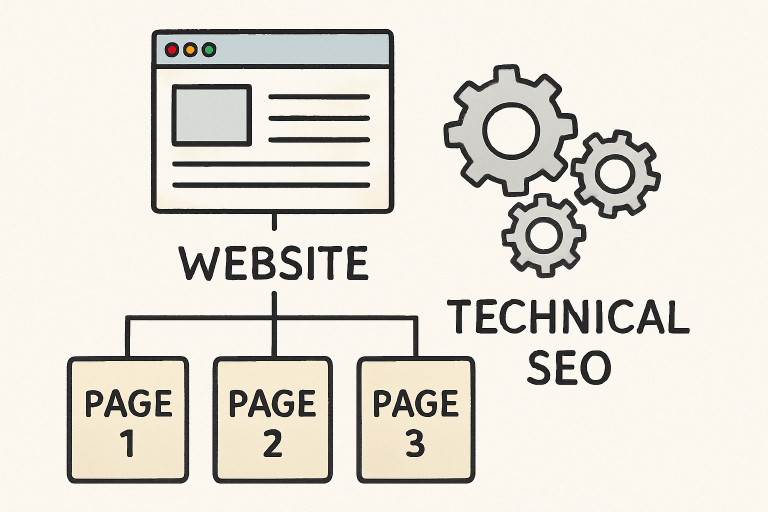
Technical SEO focuses on the foundational elements of site architecture that allow search engines to discover, crawl, and fully interpret your content. Unlike on-page SEO, which focuses on content optimization, and off-page SEO, which involves external signals, technical SEO addresses the mechanics of your website, including code efficiency, crawlability, security, HTTPS implementation, site speed, and ease of navigation. A strong technical SEO foundation prevents issues—like broken links, improper redirects, or duplicate pages—that could block or confuse search engine bots, ensuring your website’s valuable content is fully accessible and indexed correctly. Ultimately, technical SEO creates a trouble-free environment for both search engines and visitors, contributing to consistent visibility and enhanced user experience at every step of the digital journey.
Site Speed and User Experience
Website speed is a crucial ranking factor in Google’s algorithms and significantly affects how users interact with your site. In today’s fast-paced world, users expect instant gratification; if your site loads too slowly, they are likely to abandon it for a competitor’s. Google’s research shows that even a one-second delay in loading times can reduce conversions by up to 20%. Faster sites not only achieve higher rankings but also encourage users to stay longer, explore more, and complete desired actions like making purchases or submitting lead forms. Businesses that prioritize site performance often see lower bounce rates and higher customer retention. Tools like PageSpeed Insights, Lighthouse, and Core Web Vitals offer in-depth analysis by examining your site and providing actionable recommendations to enhance load times and overall user experience. As expectations for speedy loading times have increased, optimizing for performance is more critical than ever.
Mobile-First Indexing
With over half the global traffic now coming from mobile devices, Google’s mobile-first indexing is the new standard. This significant change means that the mobile version of your website is now the primary basis for ranking and indexing, even for users searching on desktop devices. Ensuring you have a responsive design, fast mobile load times, and intuitive navigation provides both users and search engines with a seamless experience. Mobile optimization involves compressing images, minimizing code bloat, and optimizing your site’s layout to accommodate smaller screens and touch navigation. Neglecting mobile optimization leads to lost ranking opportunities, poor user engagement, and dramatic drops in conversions, as users will not tolerate cumbersome mobile browsing experiences. As mobile traffic continues to rise, prioritizing mobile-first SEO is no longer optional; it is absolutely vital for staying relevant and visible in search results.
Structured Data and Schema Markup
Structured data and schema markup play a crucial role in enabling search engines to interpret the meaning and context of your site’s content with greater precision. By embedding schema into your site’s HTML, you unlock enhanced search result features—such as star ratings, event details, product prices, or availability—that make your listings more compelling and informative. These rich snippets not only boost click-through rates but also help your pages stand out in competitive search environments, ultimately driving more qualified traffic to your site. When implemented correctly, structured data creates a clearer line of communication between your content and search engines, improving both visibility and accuracy. Beyond helping crawlers understand your offerings, schema also supports faster, more relevant answers for users as modern search behavior shifts toward instant, information-rich results. Comprehensive schema frameworks are available for nearly every business type, making it easier to integrate this robust optimization into your broader SEO strategy.
Common Technical SEO Mistakes
Even the most experienced marketers can overlook crucial elements of technical SEO, leading to diminished site performance and rankings. Some of the most common mistakes include:
- Failing to repair or redirect broken links leads to negative user experiences, 404 errors, and crawl issues that harm SEO.
- Poorly organized site structure that confuses both users and search engines, limiting the discoverability of key pages and spreading link equity inefficiently.
- Issues with duplicate content, which can divide ranking signals among several URLs, dilute site authority, and leave your best pages underperforming in search.
- Overlooking the creation or regular submission of XML sitemaps, hindering efficient crawling and indexing by leaving search engines unaware of your most important pages.
Tools for Technical SEO
Addressing technical SEO demands a data-driven approach, leveraging the correct set of tools to uncover and resolve issues promptly. A few must-have tools for any SEO toolkit include:
- Google Search Console: Offers granular details on crawl issues, indexing status, and performance metrics straight from Google’s perspective, making it indispensable for monitoring site health and troubleshooting errors.
- PageSpeed Insights Evaluates and scores site loading times, providing actionable recommendations for both desktop and mobile performance. This helps developers target areas with the most impact.
- Screaming Frog SEO Spider: A comprehensive crawler that audits pages for broken links, duplicate content, improper redirects, and countless other issues, enabling large-scale site reviews and exportable reports for ongoing monitoring.
Conclusion
Technical SEO forms the backbone of any thriving digital presence. By proactively monitoring and refining the technical aspects of your website, you pave the way for both higher search rankings and superior user experiences. Regular site audits help you stay ahead of potential problems, while staying current with Google’s updates allows your site to adapt quickly to significant algorithm changes. A commitment to technical excellence ensures that your website remains discoverable, user-friendly, and competitive in an ever-changing online environment. Investing in technical SEO today means building a resilient, scalable site ready to meet tomorrow’s challenges, regardless of changes in technology or consumer behavior.

Tech old news is a technology and digital marketing writer covering AI tools, SEO, online business, and emerging technology trends.